
Table of Contents
مواد وطلاءات متقدمة لتعزيز مقاومة التآكل
يلعب غلاف النفط دورًا حاسمًا في صناعة النفط والغاز، حيث يوفر الدعم الهيكلي والحماية لحفرة البئر. بمرور الوقت، يتعرض غلاف الزيت لظروف بيئية قاسية، بما في ذلك درجات الحرارة المرتفعة والضغط والمواد المسببة للتآكل. ونتيجة لذلك، يعد التآكل مصدر قلق كبير لأغلفة النفط، لأنه يمكن أن يؤدي إلى فشل هيكلي وإصلاحات مكلفة. لمعالجة هذه المشكلة، قام الباحثون والمهندسون بتطوير مواد وطلاءات متقدمة لتعزيز مقاومة التآكل لغلاف الزيت وزيادة العمر المتوقع للخدمة.
أحد الابتكارات الرئيسية في تصميم غلاف الزيت هو استخدام السبائك المقاومة للتآكل. تم تصميم هذه السبائك خصيصًا لتحمل التأثيرات المسببة للتآكل لبيئات حقول النفط، مثل المستويات العالية من كبريتيد الهيدروجين وثاني أكسيد الكربون. من خلال دمج هذه السبائك في عملية التصنيع، يمكن لغلاف الزيت أن يقاوم التآكل بشكل أفضل ويحافظ على سلامته الهيكلية على مدى فترة زمنية أطول.
بالإضافة إلى السبائك المقاومة للتآكل، قام الباحثون أيضًا باستكشاف استخدام الطلاءات المتقدمة لحماية الزيت. غلاف من التآكل. يتم تطبيق هذه الطلاءات على سطح الغلاف وتعمل كحاجز ضد المواد المسببة للتآكل. تشمل بعض أنواع الطلاءات الأكثر شيوعًا المستخدمة في أغلفة الزيت طلاءات الإيبوكسي والبولي يوريثين والسيراميك. لا توفر هذه الطلاءات طبقة إضافية من الحماية ضد التآكل فحسب، بل تعمل أيضًا على تحسين المتانة الإجمالية للغلاف.
| الرقم | المنتج |
| 1 | أنابيب الصلب غير الملحومة |
مصنعي الأنابيب الحلقية
تصاميم هندسية مبتكرة لتحسين القوة والمتانة
يعد غلاف النفط عنصرًا حاسمًا في صناعة النفط والغاز، حيث يعمل كحاجز وقائي لحفرة البئر ويضمن سلامة البئر. على مر السنين، حدثت تطورات كبيرة في تصميم وتصنيع غلاف الزيت لتحسين قوته ومتانته. أحد الابتكارات الرئيسية في هذا الصدد هو تطوير التصاميم الهندسية التي تعزز أداء الغلاف وتزيد من العمر المتوقع للخدمة.
بالإضافة إلى الأنماط الحلزونية والكسورية، يستكشف المصنعون أيضًا استخدام الأشكال الهندسية الأخرى، مثل هياكل قرص العسل وأنماط فورونوي، في تصميم غلاف الزيت. توفر هذه التصميمات الهندسية مزايا فريدة من حيث القوة والمتانة والأداء. على سبيل المثال، توفر الهياكل على شكل قرص العسل مقاومة ممتازة للصدمات وعزلًا حراريًا، مما يجعلها مثالية للاستخدام في البيئات القاسية. من ناحية أخرى، توفر أنماط فورونوي توزيعًا فائقًا للحمل ومقاومة للضغط، مما يضمن سلامة الغلاف في ظل الظروف القاسية.
بشكل عام، يمثل استخدام التصميمات الهندسية المبتكرة في غلاف الزيت تقدمًا كبيرًا في الصناعة. من خلال استلهام الطبيعة ودمج مبادئ المحاكاة الحيوية، يستطيع المصنعون إنشاء غلاف أقوى وأكثر متانة وأطول أمدًا. لا تعمل هذه التصميمات الهندسية على تحسين أداء أغلفة النفط فحسب، بل تساهم أيضًا في استدامة صناعة النفط والغاز من خلال تقليل الحاجة إلى عمليات الاستبدال والإصلاح المتكررة.
في الختام، يعد تطوير تصميمات هندسية مبتكرة لأغلفة النفط بمثابة شهادة لالتزام الصناعة بالتحسين المستمر والتقدم التكنولوجي. من خلال تسخير قوة الطبيعة ودمج الأشكال الهندسية المعقدة في بناء الغلاف، يتمكن المصنعون من تعزيز قوته ومتانته وعمر الخدمة المتوقع. ومع استمرار نمو الطلب على النفط والغاز، ستلعب هذه التصميمات المبتكرة دورًا حاسمًا في ضمان سلامة وموثوقية آبار النفط حول العالم.
oil casing is a critical component in the Oil and Gas industry, serving as a protective barrier for the wellbore and ensuring the integrity of the well. Over the years, there have been significant advancements in the design and manufacturing of oil casing to improve its strength and durability. One of the key innovations in this regard is the development of geometric designs that enhance the casing’s performance and increase its service life expectancy.
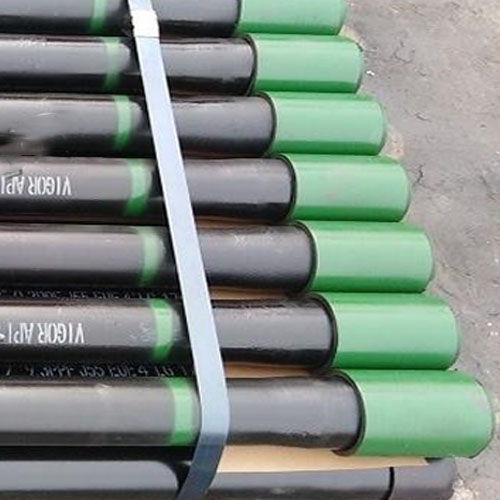
Traditional oil casing designs typically feature a cylindrical shape, which provides adequate protection for the wellbore. However, advancements in technology have allowed for the development of more complex geometric designs that offer superior strength and durability. These innovative designs are inspired by nature and incorporate principles of biomimicry to create casing that is more resilient to the harsh conditions of the oil and gas industry.
One such design innovation is the use of helical patterns in the casing’s construction. Helical patterns are spiral shapes that are found in nature, such as in the structure of DNA or the shells of certain mollusks. By incorporating helical patterns into the casing’s design, Manufacturers are able to increase its strength and resistance to external forces. The helical shape distributes stress more evenly along the casing, reducing the likelihood of failure and increasing its service life expectancy.
Another innovative geometric design for oil casing is the use of fractal patterns. Fractals are complex geometric shapes that exhibit self-similarity at different scales. By incorporating fractal patterns into the casing’s construction, manufacturers are able to create a structure that is more resistant to corrosion and wear. The intricate design of fractals increases the surface area of the casing, allowing for better heat dissipation and improved resistance to chemical reactions.
https://youtube.com/watch?v=goTqY010yDA
In addition to helical and fractal patterns, manufacturers are also exploring the use of other geometric shapes, such as honeycomb structures and Voronoi patterns, in the design of oil casing. These geometric designs offer unique advantages in terms of strength, durability, and performance. Honeycomb structures, for example, provide excellent impact resistance and thermal insulation, making them ideal for use in harsh environments. Voronoi patterns, on the other hand, offer superior load distribution and stress resistance, ensuring the casing’s integrity under extreme conditions.
Overall, the use of innovative geometric designs in oil casing represents a significant advancement in the industry. By drawing inspiration from nature and incorporating principles of biomimicry, manufacturers are able to create casing that is stronger, more durable, and longer-lasting. These geometric designs not only improve the performance of oil casing but also contribute to the sustainability of the oil and gas industry by reducing the need for frequent replacements and repairs.
In conclusion, the development of innovative geometric designs for oil casing is a testament to the industry’s commitment to continuous improvement and technological advancement. By harnessing the power of nature and incorporating complex geometric shapes into the casing’s construction, manufacturers are able to enhance its strength, durability, and service life expectancy. As the demand for oil and gas continues to grow, these innovative designs will play a crucial role in ensuring the integrity and reliability of oil wells around the world.


